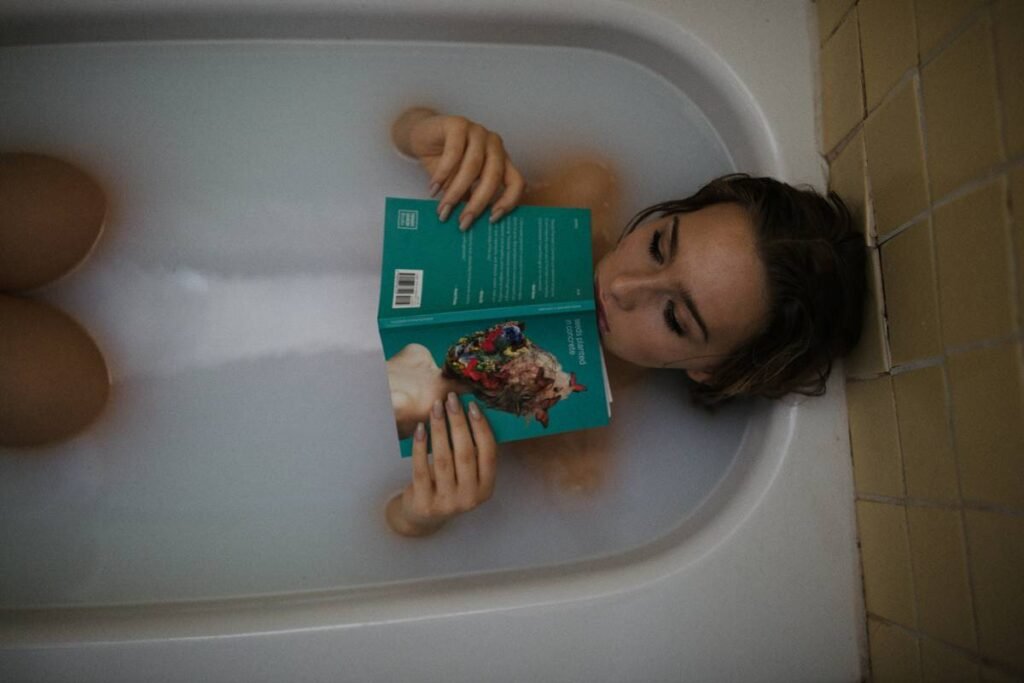
You pour in the bubbles. The tub fills with froth. But your skin still feels tight, dry, or irritated hours later. That’s because most “luxury” bubble baths are just pretty theater—loaded with sulfates, artificial fragrances, and zero nourishment. You’re not relaxing; you’re compromising your skin barrier. The solution? Stop chasing foam volume. Start selecting bath essential bubble what type of actually supports dermal health—not just Instagram aesthetics.
Why Most Bubble Baths Sabotage Your Skin
Big brands engineer bubbles to impress eyes, not nurture skin. Sodium lauryl sulfate (SLS) creates that cloud-like lather—but strips natural oils faster than ocean water. And those “calming” scents? Often synthetic aldehydes that trigger inflammation in sensitive types.
Your epidermis pays the price. Over time, repeated exposure weakens the lipid matrix. Result: flakiness, redness, even eczema flare-ups. Foam ≠ function. Never has.
Bath Essential Bubble What Type Of Actually Works?
Forget marketing fluff. Choose based on formulation physics—not bottle design. Here’s how:
Prioritize Gentle Surfactants Over Sulfates
Cocamidopropyl betaine or decyl glucoside create soft lather without disruption. They clean—without chaos.
Demand Active Hydration, Not Just Fragrance
Look for glycerin, hyaluronic acid, or oat extract. These humectants pull moisture into the stratum corneum during soak time. Bonus: colloidal oatmeal reduces histamine response—ideal for reactive skin.
Avoid Dyes and Synthetic Musks
If it stains your tub pink or leaves a cloying trail on towels, skip it. Clean scent should come from essential oils (lavender, chamomile) at under 0.5% concentration—enough for aroma, not irritation.
| Ingredient Type | Skin Impact | Cost Tier (Retail) |
|---|---|---|
| SLS / SLES | Strips lipids, increases TEWL* | $ (Budget) |
| Cocamidopropyl Betaine | Mild cleansing, low irritation | $$ (Mid-range) |
| Decyl Glucoside + Glycerin Base | Hydrating, barrier-supportive | $$$ (Premium) |
*TEWL = Transepidermal Water Loss

The Industry Secret No Brand Admits
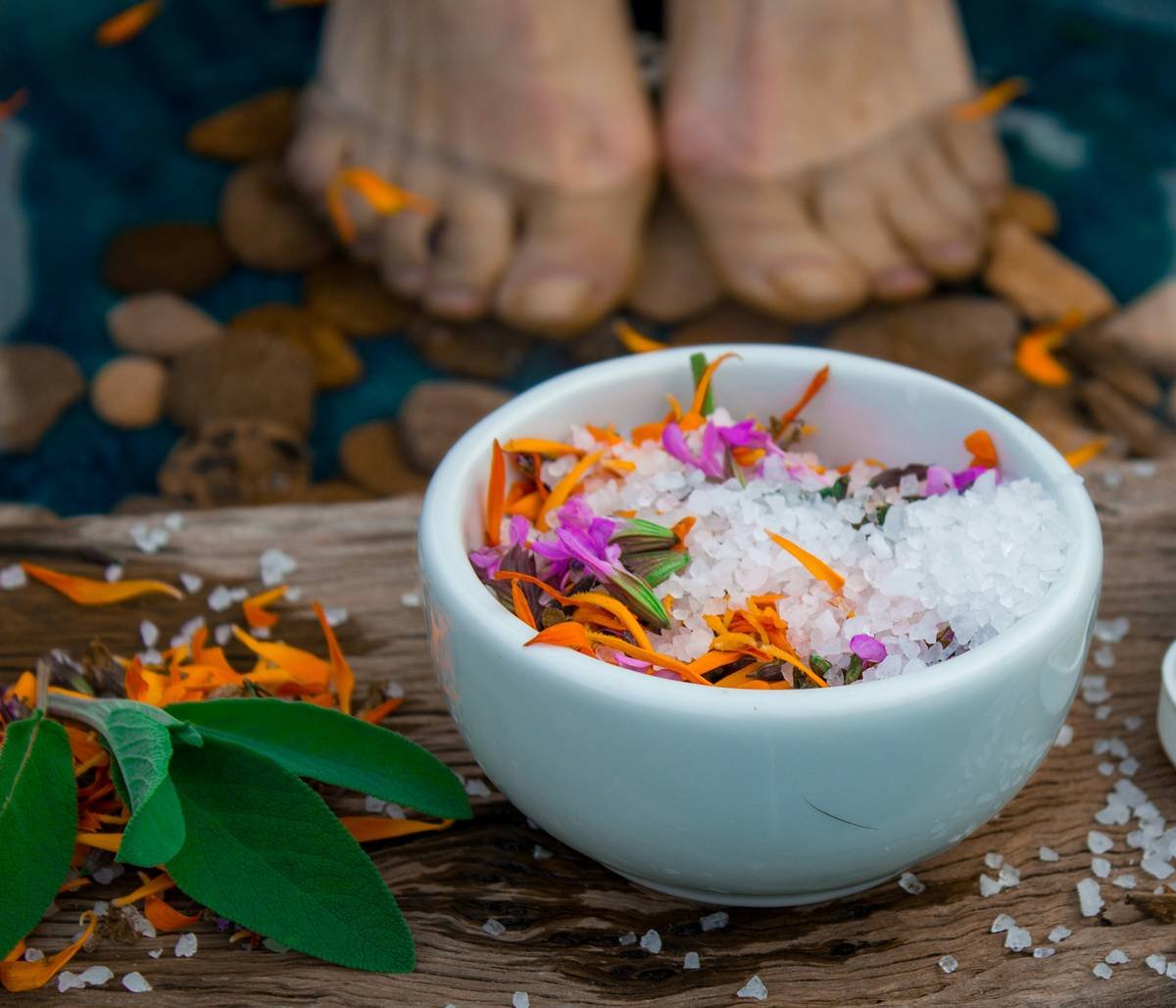
Here’s the reality: true bubble baths can’t be both ultra-foamy and deeply nourishing. Physics won’t allow it. High surfactant loads needed for dense foam inherently reduce space for emollients. That’s why spas rarely use commercial bubbles—they blend a sulfate-free wash with a few drops of carrier oil and pure essential oil instead.
Try this: mix 1 tbsp unscented castile soap + 1 tsp jojoba oil + 3 drops lavender EO. Swirl into running water. You’ll get micro-bubbles with real slip—and zero post-bath tightness. It’s not glamorous packaging. It works.
FAQ
What makes a bubble bath truly gentle?
Formulas with glucoside-based cleansers, no SLS, and added humectants like glycerin or honey. Avoid anything listing “fragrance” as a top-three ingredient.
Can bubble baths hydrate skin?
Only if they contain occlusives or humectants *and* lack stripping agents. Most don’t. Add oil separately if using store-bought versions.
How often should you use bubble bath?
No more than twice weekly—if using a clean formula. Daily soaks, even with mild products, can disrupt microbiome balance over time.