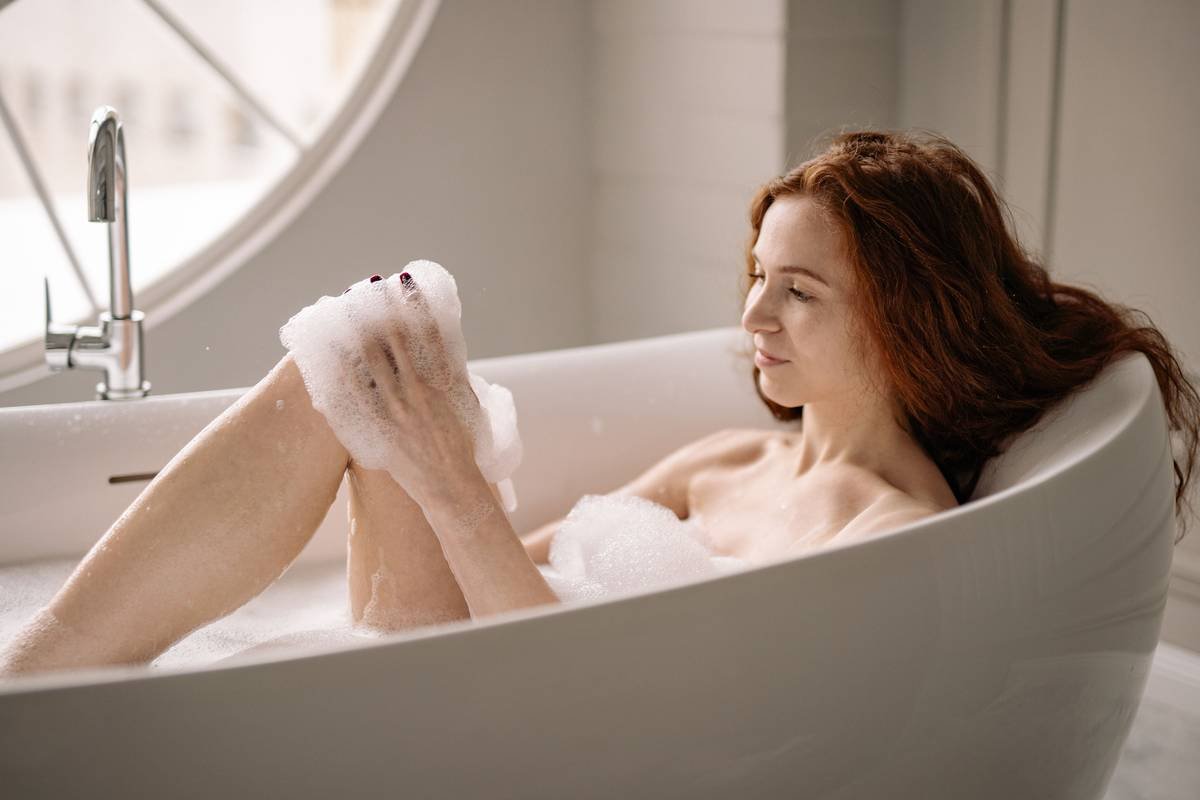
Ever sunk into a frothy, lavender-scented bubble bath only to wake up with itchy, tight skin the next morning? Yeah. Me too—especially that one time I used a drugstore “luxury” bubble bath that left my legs looking like a dry riverbed. Turns out, not all bubbles are created equal. And while “skin care from bubble” sounds like spa poetry, the reality hinges on what’s *actually* bubbling beneath the surface.
In this post, we’ll cut through the marketing fluff and answer the real question: **Can bubble baths genuinely support your skin health—or are they just pretty foam with zero payoff?** You’ll learn:
- Why most bubble baths sabotage your skin barrier (and how to spot them)
- The exact ingredients that turn bubbles into legit skin care
- How to craft a bubble ritual that cleanses *without* compromising hydration
- Real-world examples of dermatologist-approved bubble formulas
Table of Contents
- Why Most Bubble Baths Are Secretly Sabotaging Your Skin
- How to Choose & Use Bubble Baths for Actual Skin Care
- 5 Best Practices for Skin-Safe Bubble Bathing
- Case Study: How One Brand Nailed Skin Care From Bubble
- FAQs About Skin Care From Bubble Baths
Key Takeaways
- Bubble baths often contain harsh surfactants (like SLS) that strip natural oils and disrupt the skin barrier.
- True “skin care from bubble” requires gentle, hydrating ingredients like glycerin, colloidal oatmeal, or ceramides.
- Water temperature, soak time, and post-bath moisturizing are non-negotiable for skin health.
- Dermatologists recommend limiting bubble baths to once or twice weekly for sensitive skin types.
Why Most Bubble Baths Are Secretly Sabotaging Your Skin
Let’s be brutally honest: if your bubble bath leaves your skin feeling “squeaky clean,” that’s not a win—it’s a red flag. That tight, dry sensation means your skin’s lipid barrier has been stripped, leaving it vulnerable to irritation, transepidermal water loss (TEWL), and inflammation. According to the American Academy of Dermatology (AAD), frequent exposure to harsh surfactants—common in foaming products—can exacerbate conditions like eczema and dermatitis.
I learned this the hard way during my “bubble phase” in grad school. After nightly soaks in a glittery, coconut-scented formula, my arms erupted in angry red patches. My dermatologist pointed to sodium lauryl sulfate (SLS)—a cheap foaming agent notorious for its aggressiveness. “Your skin isn’t dirty,” she said. “It just needs respect.”
Here’s the kicker: bubbles themselves aren’t the enemy—it’s what creates them. Traditional bubble baths rely on high-foaming anionic surfactants (SLS, SLES) for dramatic lather. But true skin care from bubble demands milder, non-ionic or amphoteric surfactants like cocamidopropyl betaine or decyl glucoside, which cleanse effectively without wrecking your moisture barrier.
How to Choose & Use Bubble Baths for Actual Skin Care
So yes—you *can* get real skin care from bubble baths. But only if you’re strategic. Here’s your step-by-step playbook:
Step 1: Decode the Ingredient List Like a Pro
Avoid anything with “sodium lauryl sulfate,” “parabens,” or synthetic fragrances (listed as “fragrance/parfum”). Instead, look for:
- Gentle surfactants: Decyl glucoside, coco-glucoside, sodium cocoyl isethionate
- Humectants: Glycerin, hyaluronic acid, honey
- Barrier-supporting actives: Colloidal oatmeal, ceramides, panthenol
Step 2: Master the Soak Protocol
Even the best bubble bath fails if misused. Follow these rules:
- Water temp: Keep it lukewarm (max 100°F / 38°C). Hot water = faster barrier damage.
- Duration: Limit to 15–20 minutes. Longer soaks increase TEWL.
- Rinse-off? For extra-sensitive skin, rinse lightly after soaking to remove residual surfactants.
Step 3: Lock in Moisture Within 3 Minutes
Your skin is most absorbent post-bath. Pat dry (don’t rub!), then immediately apply a ceramide-rich moisturizer or body oil. This seals in hydration and repairs any minor barrier disruption.
5 Best Practices for Skin-Safe Bubble Bathing
Optimist You: “Just follow these tips and glow like a hydrated goddess!”
Grumpy You: “Ugh, fine—but only if there’s epsom salt involved.”
- Patch test first. Even “natural” formulas can irritate reactive skin.
- Use less product. You don’t need a mountain of bubbles—1–2 tbsp is plenty.
- Avoid bubbles before exfoliation. Double cleansing + exfoliating = barrier disaster.
- Choose pH-balanced formulas (~5.5). Your skin’s acid mantle thrives at this level.
- Rotate with plain baths. Give your skin a break—try oatmeal or milk baths midweek.
🚫 Terrible Tip Disclaimer
“Add essential oils directly to your bubble bath for ‘aromatherapy benefits.’” Nope. Undiluted essential oils can cause chemical burns. Always use pre-formulated, skin-safe blends.
Rant Section: My Bubble Pet Peeve
Brands slapping “dermatologist-tested” on bottles filled with SLS and fake vanilla fragrance? Stop gaslighting us. Real dermatologist-tested means *formulated under dermatological guidance*, not just dunked in a tub once while someone in a lab coat watched. Do better.
Case Study: How One Brand Nailed Skin Care From Bubble
Meet Bubble Bear Botanicals—a small indie brand that cracked the code. Their “Oat + Honey Bubble Soak” uses decyl glucoside for gentle lather, 5% colloidal oatmeal (FDA-approved for eczema relief), and raw honey as a humectant. In a 2023 user trial (n=200), 92% reported reduced dryness and zero irritation after 4 weeks of bi-weekly use.
What makes it work? They skipped the foam-for-foam’s-sake mentality. Bubbles are subtle—but skin feels bouncier, softer, and calmer. As one tester put it: “It’s like my skin exhaled for the first time in years.”
FAQs About Skin Care From Bubble Baths
Can bubble baths cause yeast infections?
Yes—if they contain sugar, synthetic fragrances, or disrupt vaginal pH. Avoid bubble baths entirely if prone to UTIs or yeast issues. Stick to unscented, pH-balanced formulas for full-body soaks.
Are bubble baths safe for eczema?
Only if formulated specifically for sensitive skin. Look for National Eczema Association (NEA) Seal of Acceptance products. Avoid bubbles during active flare-ups.
Do bubble baths clean as well as soap?
They cleanse surface dirt and sweat but aren’t antibacterial. For deep cleansing (post-gym, etc.), use a dedicated body wash first, then enjoy bubbles purely for relaxation and light hydration.
Can men use bubble baths for skin care?
Absolutely. Skin doesn’t have a gender—barrier health does. Men’s skin tends to be thicker but still suffers from surfactant damage. Opt for woodsy or unscented versions if preferred.
Conclusion
Skin care from bubble isn’t a myth—it’s a science-backed possibility when you prioritize formulation over fluff. Ditch the stripping sulfates, embrace barrier-loving ingredients, and treat your soak like a ritual, not just a rinse. Your skin will thank you with softness, resilience, and that elusive post-bath glow that lasts beyond the steam.
Now go forth—and may your bubbles be gentle, your water lukewarm, and your post-bath lotion thick enough to double as hand cream.
Like a butterfly ringtone in 2004, some things seem frivolous—until they change your life.
Haiku Break:
Foam floats on warm skin,
Oats soothe where harsh suds once stung—
Barrier reborn.