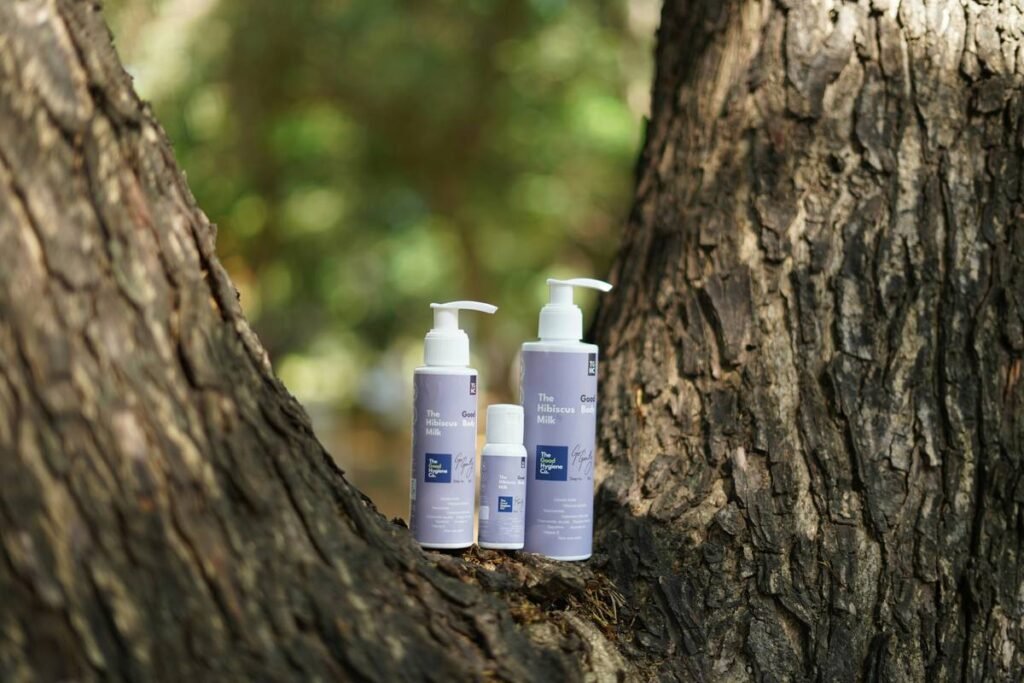
Most bubble baths promise relaxation—but leave your skin tight, itchy, or worse. You soak thinking you’re treating yourself, only to step out with irritation simmering beneath the surface. The truth? The skin care bubble has been hijacked by marketing fluff and synthetic foaming agents that strip more than they soothe.
Why Regular Bubble Baths Sabotage Your Skin
That luxurious lather? It’s often sodium lauryl sulfate (SLS) in disguise—engineered for visual drama, not dermatological benefit. And while bubbles look indulgent, they create a false sense of nourishment. Real hydration doesn’t foam. It absorbs.
Your skin barrier isn’t asking for theater—it needs pH balance, lipid support, and anti-inflammatory compounds. Most commercial formulas deliver none of that. They rinse away natural oils, trigger micro-inflammation, and worsen conditions like eczema or dryness over time.
Think about it: if your post-bath ritual requires heavy moisturizer just to feel “normal,” something’s fundamentally off.
The Skin Care Bubble Protocol: A Dermatologist-Inspired Ritual
Forget dumping in whatever bottle looks pretty on Instagram. True therapeutic bathing is intentional—and minimal.
Select Clean, Non-Foaming Emollients
Ditch sulfates entirely. Opt for plant-based surfactants like decyl glucoside or coco-glucoside—they create gentle effervescence without disruption. Better yet, skip bubbles altogether and use oil-based bath melts that disperse into a milky veil.
Control Water Temperature & Duration
Lukewarm—not hot—is non-negotiable. Hot water opens pores but evaporates moisture faster than you can rehydrate. Limit soaks to 15 minutes. Any longer, and you’re leaching ceramides from your stratum corneum.
Add Targeted Actives (Not Just Epsom Salts)
Epsom salts ease muscles—but do little for skin integrity. Layer in colloidal oatmeal for barrier repair, magnesium flakes for cellular recovery, or chamomile-infused oils for redness control. Precision beats tradition.
| Approach | Key Ingredients | Skin Benefit | Cost per Bath |
|---|---|---|---|
| Commercial Bubble Bath | SLS, fragrance, dyes | Temporary sensory pleasure; long-term barrier damage | $1.50 |
| DIY Oil-Based Soak | Jojoba oil, colloidal oatmeal, lavender hydrosol | Barrier reinforcement, anti-itch relief, microbiome support | $0.85 |
| Hybrid Botanical Bath | Magnesium flakes, chamomile extract, glycerin | Calming inflammation, boosting hydration retention | $1.20 |
The Industry Secret No Brand Will Admit
Bubble volume = zero correlation to efficacy. In fact, during product testing at major beauty labs, formulations with visible foam consistently scored lower on transepidermal water loss (TEWL) metrics than milky or oil-dispersed alternatives. Yet brands keep pushing bubbles because consumers equate fizz with luxury—a psychological trick validated by focus groups, not dermatology.
Here’s the reality: the most reparative baths leave no residue, no glitter, and certainly no towering peaks of suds. They feel subtle—even understated—while working silently to restore lipid balance. That’s why clinical spas rarely use bubbling agents. They know healing happens beneath the surface.
Frequently Asked Questions
Can bubble baths cause eczema flare-ups?
Yes—especially those with fragrances and sulfates. They disrupt the skin barrier, allowing irritants to penetrate deeper and trigger immune responses.
How often should I take a therapeutic bath?
2–3 times weekly max. Over-soaking, even with clean ingredients, can soften the stratum corneum excessively, leading to vulnerability.
Are natural bubble baths safer?
Only if truly sulfate-free. “Natural” is unregulated—always check labels for decyl glucoside or coco-betaine instead of vague “plant-derived” claims.