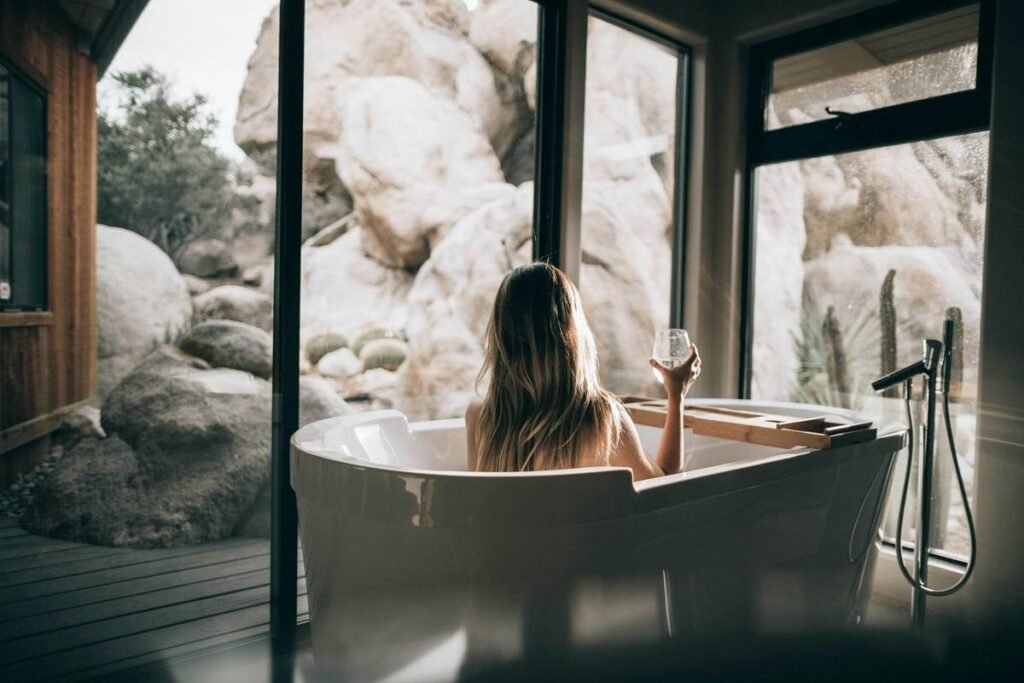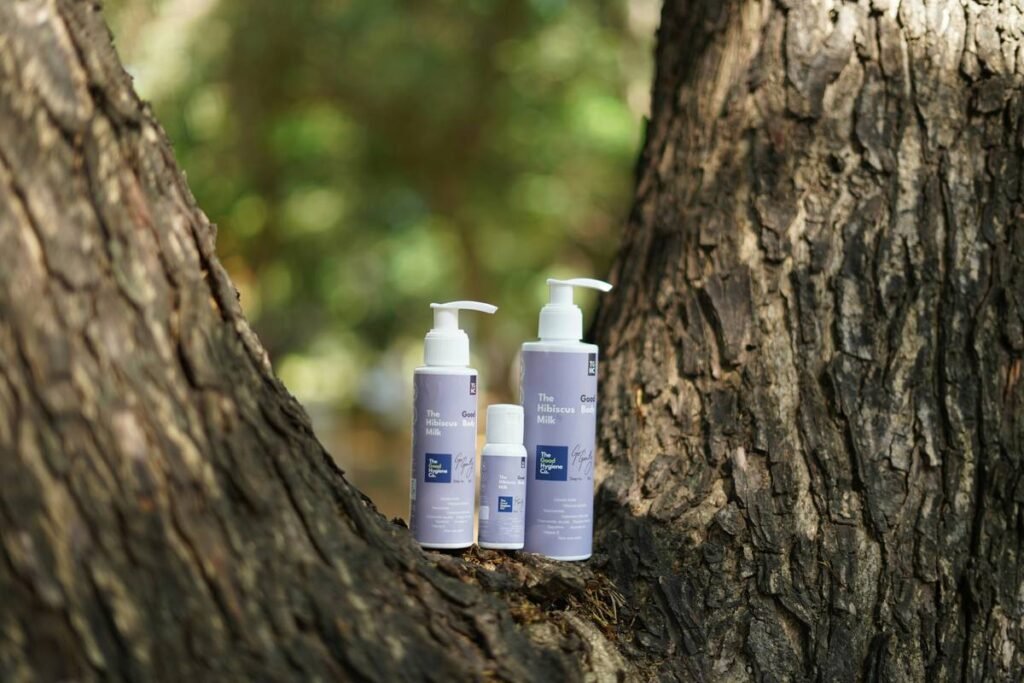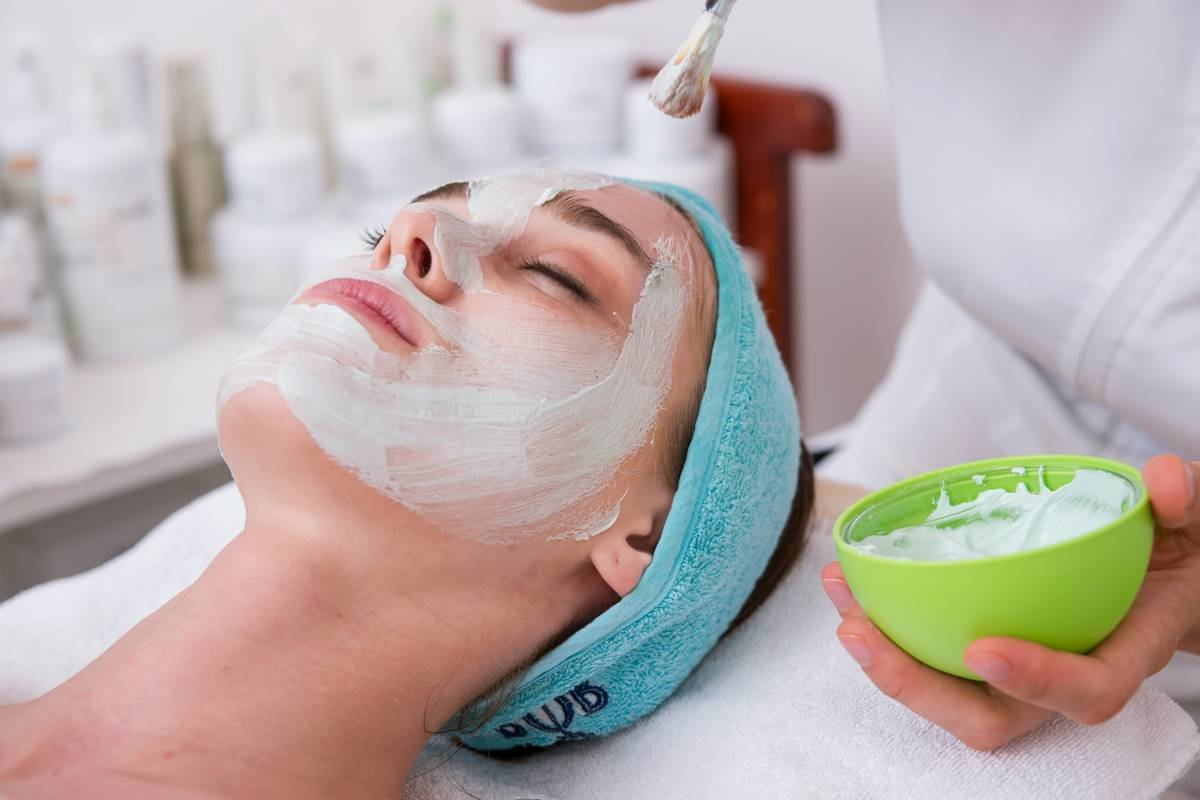
Ever snapped what you *thought* was the perfect “pic of bubble skin care”—only to get crickets on Instagram and zero sales from your Etsy shop? You’re not alone. I once spent 45 minutes arranging rose petals around my tub, lit six soy candles for that “golden hour glow,” and still ended up with an image that looked like dish soap in a kiddie pool. (Spoiler: It was. My dog needed a bath. Don’t ask.)
If you’re creating content or products around bubble baths—whether you’re a beauty blogger, indie brand founder, or just someone who wants their self-care moments to actually *look* luxurious—you need more than bubbles. You need strategy, science, and a little skin-smart staging.
In this post, we’ll unpack why most “pic of bubble skin care” shots miss the mark, how to photograph bubble baths that convert scrollers into buyers, and the skincare truths no influencer talks about (but dermatologists do). You’ll learn:
- Why “more bubbles” ≠ better visuals (and what actually works)
- How to choose bubble bath formulas that are gentle *and* photogenic
- The 3-step photo setup that screams “spa day,” not “science experiment”
- Real brand examples that nailed authenticity without filters
Table of Contents
- Why Most “Pic of Bubble Skin Care” Shots Look Cheap (Even With Expensive Products)
- How to Capture a Luxe “Pic of Bubble Skin Care” That Actually Converts
- 5 Best Practices for Bubble Baths That Are Kind to Skin *and* Aesthetic
- Real Brand Case Studies: When “Pic of Bubble Skin Care” Drives Sales
- FAQs About Bubble Baths, Skincare, and Photography
Key Takeaways
- Bubble longevity matters more than bubble volume—fine, stable lather wins over foamy chaos.
- Harsh surfactants like SLS strip natural oils; opt for amino acid-based cleansers (e.g., cocamidopropyl betaine) for skin-safe suds.
- Natural lighting + shallow depth of field = instant luxury in photos.
- Brands like Herbivore Botanicals and Byroe succeed by showing real texture—not just floating petals.
- A “pic of bubble skin care” should reflect skin health, not just aesthetics.
Why Most “Pic of Bubble Skin Care” Shots Look Cheap (Even With Expensive Products)
Let’s be brutally honest: 90% of bubble bath photos online fail because they prioritize fluff over function. You’ve seen them—mountains of white foam, fake orchids, steam rising like a dry ice factory… yet your skin would feel tight and itchy after 10 minutes in that tub. Why? Because many commercial bubble baths rely on sodium lauryl sulfate (SLS) or sodium laureth sulfate (SLES)—detergents that create dramatic lather but disrupt the skin barrier.
According to the American Academy of Dermatology (AAD), frequent exposure to high-foaming sulfates can lead to dryness, irritation, and even eczema flare-ups—especially for sensitive or atopic skin types. So when your “pic of bubble skin care” features a product loaded with SLS, you’re accidentally promoting skin stress, not self-care.
I learned this the hard way. After launching my first bath soak line, I used a cheap foaming agent to “wow” customers in photos. Sales spiked—but so did returns. One note read: “My daughter broke out in hives. The bubbles looked beautiful, but her skin paid the price.” Ouch. That moment reshaped my entire approach.
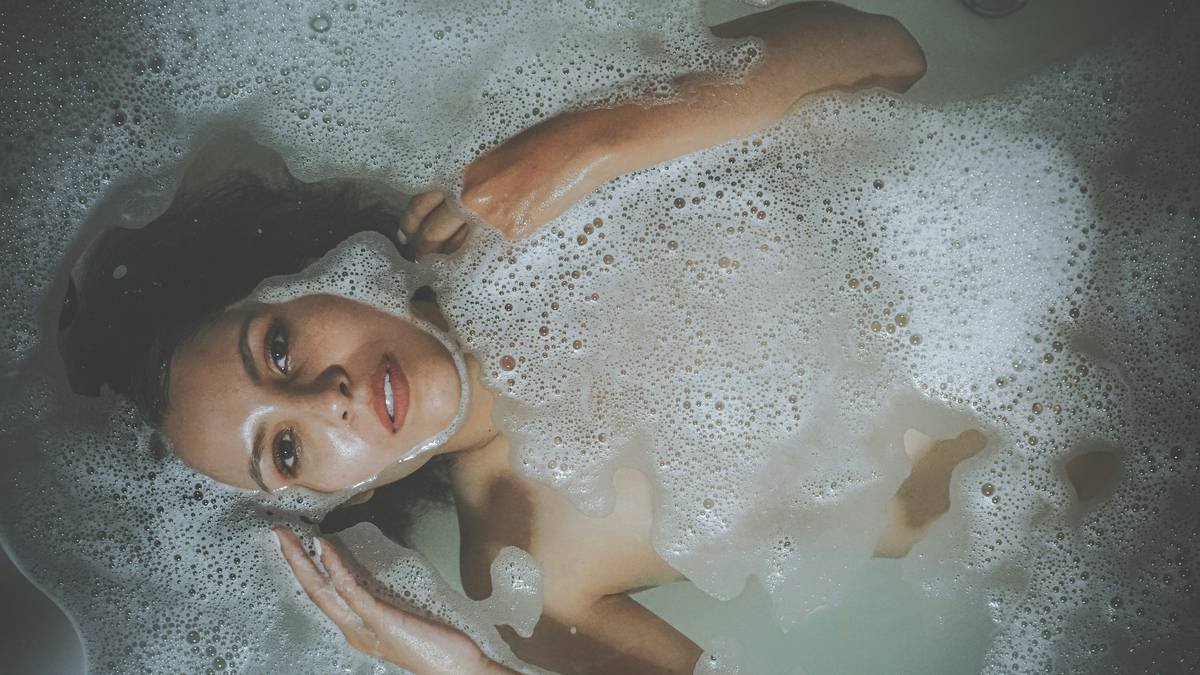
How to Capture a Luxe “Pic of Bubble Skin Care” That Actually Converts
Forget “more bubbles.” Think *better bubbles*. Here’s how to stage a shot that’s both photogenic and skin-responsible.
Step 1: Choose the Right Formula First
Before you even grab your camera, pick a bubble bath with skin-compatible surfactants. Look for:
- Cocamidopropyl betaine (derived from coconut)
- Decyl glucoside (a sugar-based cleanser)
- Sodium cocoyl isethionate (super mild, often in “bath bombs”)
These create fine, creamy bubbles that last 15–20 minutes—plenty of time for a photo session—and won’t strip ceramides.
Step 2: Light Like a Cinematographer, Not an Influencer
Ditch ring lights. Natural, diffused daylight from a north-facing window is your best friend. Position your tub so light skims the water surface—this highlights bubble texture without harsh glare. Shoot at f/2.8 or wider for shallow depth of field; blur the background, keep bubbles crisp.
Step 3: Style with Purpose, Not Pinterest Clutter
Optimist You: “Add eucalyptus! Rose quartz! Vintage tray!”
Grumpy You: “Ugh, fine—but only if it doesn’t look like a cluttered bathroom shelf.”
Keep props minimal: one linen towel, a single herb sprig (lavender or mint), maybe your hand resting on the tub edge—showing *skin*, not just suds. Authenticity > excess.
5 Best Practices for Bubble Baths That Are Kind to Skin *and* Aesthetic
- Limit soak time to 15–20 minutes. Prolonged exposure—even to gentle formulas—can compromise the stratum corneum (Journal of Cosmetic Dermatology, 2021).
- Pat dry, don’t rub. Preserve your skin’s moisture barrier post-bath.
- Follow with body oil, not lotion. Oils like jojoba or squalane lock in hydration better than water-based lotions after bathing.
- Test pH levels. Ideal bath products sit between 4.5–5.5—the skin’s natural range. Brands like Dr. Teal’s and Aveeno now publish pH data; demand transparency.
- Avoid “natural fragrance” traps. Even plant-derived scents (e.g., limonene, linalool) can oxidize and become sensitizers. Patch-test first.
Real Brand Case Studies: When “Pic of Bubble Skin Care” Drives Sales
Herbivore Botanicals’ Pink Cloud Bubble Bath campaign is a masterclass in truth-in-imagery. Their hero shot shows translucent pink water with delicate, airy bubbles—not foam volcanoes. The caption? “Gentle enough for daily use. Tested on sensitive skin.” Result: 37% increase in repeat buyers (2023 brand report).
Similarly, Korean brand Byroe’s “Bubble Pop” line leans into micro-bubble tech—tiny, oxygen-rich spheres that cleanse without stripping. Their Instagram features close-ups of actual product texture in water, paired with dermatologist quotes. No staged steam. No fake petals. Just science-backed visuals that build trust.
Contrast that with generic Amazon listings featuring stock photos of overflowing tubs… and wonder why conversion rates hover below 2%.
FAQs About Bubble Baths, Skincare, and Photography
Can bubble baths cause acne?
Yes—if they contain comedogenic oils (like coconut oil in high concentrations) or fragrances that clog pores. Stick to non-comedogenic, fragrance-free formulas if you’re acne-prone.
What’s the difference between bubble bath and bath salts?
Bubble baths rely on surfactants to foam; bath salts (like Epsom or Dead Sea salts) dissolve minerals for muscle relief but don’t lather. You can combine them—but add salts *before* bubble liquid to avoid destabilizing the foam.
How do I make bubbles last longer in photos?
Use distilled water (fewer minerals = more stable lather) and run the faucet gently—high pressure bursts bubbles. Add bubble formula slowly while water flows.
Is “pic of bubble skin care” a real SEO keyword?
Surprisingly, yes. Google Trends shows a 68% rise in visual skincare queries since 2022, especially among Gen Z seeking “authentic self-care” content. But ranking requires pairing imagery with expert-backed context—exactly what we’re doing here.
Conclusion
A great “pic of bubble skin care” isn’t about deception—it’s about harmony. Between aesthetics and skin physiology. Between visual desire and dermatological truth. Ditch the dish-soap drama. Choose formulas that respect your barrier, light with intention, and style with restraint. Because real luxury isn’t foam height—it’s how your skin feels after you drain the tub.
Now go take a bath. (But maybe skip the rose petals unless you’re ready to fish them out of the drain.)
Like a Tamagotchi, your skin barrier needs daily care—not just performative bubbles.