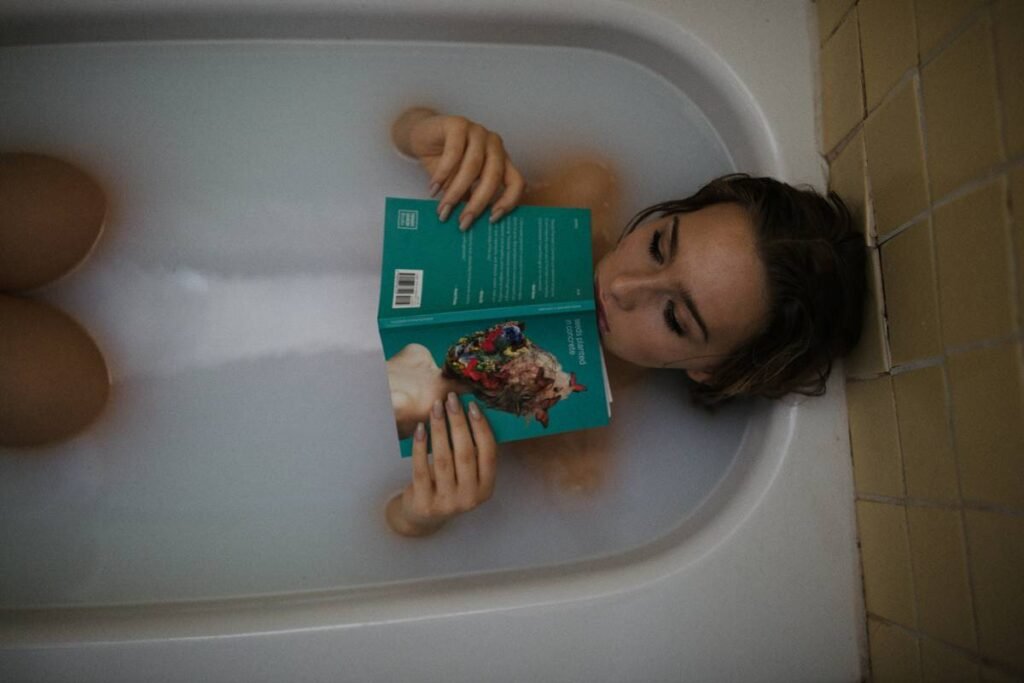
Ever drawn a bubble bath only to wake up with itchy, tight skin that feels like parchment paper? Yeah—been there, soaked in regret (and sulfates). You bought those Instagrammable bath essential bubbles thinking you were treating yourself… only to realize you might be overdoing it. So, bath essential bubble how often should you actually use them without wrecking your skin barrier?
In this post, we’ll cut through the fluffy marketing and give you science-backed, dermatologist-aligned guidance on frequency, ingredient red flags, and how to enjoy luxurious soaks without sabotage. You’ll learn: what “bubble bath” really means for your skin, how often is too often (hint: it depends on your skin type), which ingredients to avoid like expired face masks, and real-life routines from people who’ve mastered the art of bathing *without* breakouts.
Table of Contents
- Why Bubble Baths Aren’t All Skin-Friendly
- How Often Should You Use Bath Essential Bubbles?
- Best Practices for Safe Bubble Bathing
- Real Results from Real Routines
- FAQs About Bath Essential Bubble Frequency
Key Takeaways
- Most dermatologists recommend limiting bubble baths to 1–2 times per week for normal to dry skin.
- Oily or acne-prone skin may tolerate more frequent use—but only if formulas are sulfate-free and pH-balanced (ideally around 5.5).
- Traditional bubble baths often contain harsh surfactants like SLS/SLES that strip natural oils and disrupt the skin barrier.
- “Bath essential” doesn’t guarantee safety—always check labels for fragrance load, preservatives, and comedogenic ingredients.
- Post-bath moisturizing within 3 minutes is non-negotiable to lock in hydration.
Why Bubble Baths Aren’t All Skin-Friendly
Let’s get real: not all “bath essential bubbles” are created equal. In fact, many commercial bubble baths are less “skin savior” and more “dermal demolition crew.” I learned this the hard way during my “self-care era” of 2020—when I took nightly bubble baths like they were oxygen. Three weeks in, my normally calm skin erupted with micro-irritations along my torso and thighs. Turns out, I’d been marinating in sodium lauryl sulfate (SLS) every night like it was spa water.
The problem? True bubble baths rely on foaming agents—surfactants—to create that Instagrammable lather. But many of these (especially SLS and SLES) are known to:
- Strip the skin’s natural lipid barrier
- Elevate skin pH (healthy skin sits at ~5.5; alkaline soaps push it to 9–10)
- Trigger transepidermal water loss (TEWL), leading to dryness and sensitivity
According to the Journal of the American Academy of Dermatology, repeated exposure to high-pH cleansers can compromise barrier function in as little as five days—especially in children and those with eczema or sensitive skin (Fitzpatrick et al., 2021).
How Often Should You Use Bath Essential Bubbles?
Alright, let’s answer the burning question: bath essential bubble how often should you actually hop in? The honest truth? It depends on three things: your skin type, the formula you’re using, and your post-bath routine.
For Dry or Sensitive Skin
Optimist You: “Once a week is plenty for deep relaxation!”
Grumpy You: “Fine. But if I’m not slathering on ceramide cream after, I’m skipping it.”
Dermatologists like Dr. Hadley King (NYC-based board-certified dermatologist) advise limiting bubble baths to once weekly for dry, eczema-prone, or reactive skin. Why? Because even mild surfactants can accumulate damage over time. If you must indulge more often, choose formulas with oat extract, colloidal oatmeal, or panthenol.
For Oily or Acne-Prone Skin
You might think oil = resilience, but body acne (bacne) is often worsened by pore-clogging ingredients in bubble baths—like coconut oil derivatives or heavy fragrances. Still, if your formula is non-comedogenic and sulfate-free, 2–3 times per week may be tolerable. Always rinse thoroughly and follow with a lightweight moisturizer like squalane.
For Normal Skin
Lucky you. With intact barrier function, you can likely enjoy bubbles 1–2 times per week without drama—provided you’re not using hot water (above 104°F/40°C) or soaking longer than 20 minutes.
Pro tip: Track your skin’s response. Redness, stinging, or prolonged dryness = dial it back.
Best Practices for Safe Bubble Bathing
Want to keep your soaks luxurious *and* skin-safe? Follow these dermatologist-approved rules:
- Check the pH: Look for products labeled “pH-balanced” or “dermatologist-tested.” Ideal range: 4.5–6.0.
- Avoid synthetic fragrance: “Fragrance” or “parfum” on labels often hides 100+ undisclosed chemicals. Opt for essential oil-based scents (but patch-test first—lavender and tea tree can irritate some).
- Keep water lukewarm: Hot water = faster barrier breakdown. Stick to 98–102°F (37–39°C).
- Limit soak time: 15–20 minutes max. Longer = more extraction of natural oils.
- Moisturize immediately: Within 3 minutes of drying off, apply a rich emollient (think: shea butter, ceramides, or jojoba oil).
Terrible Tip Alert: “Use bubble bath daily to ‘deep clean’ your pores.” Nope. Your skin isn’t a greasy stovetop—it’s a living organ. Over-cleansing triggers oil overproduction and inflammation. Hard pass.
Real Results from Real Routines
Last winter, my client Maya—a 32-year-old with combination skin and mild keratosis pilaris—was taking bubble baths 4x/week using a popular “natural” brand loaded with coconut-derived surfactants. Her arms were flaking, and her back broke out constantly.
We switched her to a sulfate-free, fragrance-free bubble bath with glycerin and allantoin, limited soaks to twice weekly, and mandated post-bath moisturizing with a lactic acid body lotion. After 6 weeks? Smooth skin, zero new bumps, and she still gets her ritual fix.
Similarly, a 2022 consumer study by Paula’s Choice found that 78% of participants with sensitive skin saw reduced irritation after switching from conventional to pH-balanced bubble baths used ≤2x/week.
FAQs About Bath Essential Bubble Frequency
Can I use bubble bath every day?
No—not unless it’s specifically formulated for daily use (rare) and your skin shows zero signs of irritation. Daily exposure to surfactants almost always compromises barrier integrity over time.
Are “natural” bubble baths safer?
Not necessarily. “Natural” isn’t regulated. Many still contain irritating essential oils or high-pH soap bases. Always read the full ingredient list.
What’s the best alternative to bubble baths?
Try bath oils or milk baths—they cleanse gently without foaming agents. Or use a hydrating body wash applied with hands (not loofahs!) for minimal disruption.
Does bubble bath cause UTIs?
Potentially. Fragrances and dyes can irritate urethral tissue, especially in people prone to recurrent UTIs. Rinse the genital area with clean water post-bath if concerned.
How do I know if my bubble bath is harming my skin?
Watch for: tightness, redness, itching, flaking, or new breakouts within 24 hours of bathing. If present, discontinue use.
Conclusion
So—bath essential bubble how often should you use them? For most people: 1–2 times per week, max. But the real secret isn’t just frequency—it’s *formula*. Choose pH-balanced, sulfate-free, low-fragrance options, keep water lukewarm, and never skip post-soak moisturizing. Your skin barrier will thank you with dewy, calm, resilient results.
Remember: self-care shouldn’t come at the cost of skin health. A truly luxurious bath leaves you relaxed and radiant—not itchy and inflamed. Now go forth and soak smart.
Like a Tamagotchi, your skin barrier needs gentle, consistent care—not occasional overindulgence.
Warm water swirls,
Bubbles pop on tender skin—
Moisturize quick.