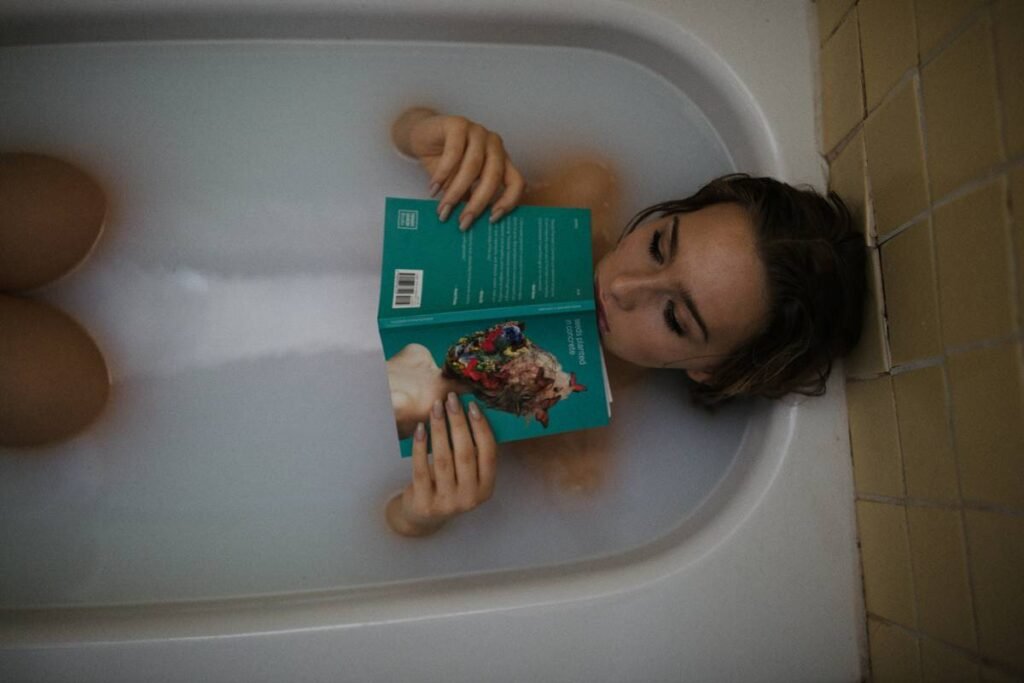
You pour in the bubble bath. You light the candle. You sink into the tub—only to find dull, flat suds that vanish in seconds. And that lingering grit? That’s your “luxury” bath salts refusing to dissolve. The ritual feels hollow. Here’s the fix: a bath essential bubble brush beyond salt isn’t just marketing fluff—it’s the missing link between performative self-care and actual sensory transformation.
Why Your Bubble Bath Falls Flat (and Leaves Residue)
Most store-bought bubble baths rely on sulfates or cheap surfactants that create initial foam but collapse fast. And when you layer in Epsom or Himalayan salts—popular for muscle relief—they don’t fully dissolve. Instead, they cling to skin, clog drains, and mute lather. Worse, many “natural” formulas skip proper emulsifiers, so oils separate and float like greasy islands. The bath looks pretty but delivers zero slip, glide, or sustained bubbles. You’re left rinsing off residue—not relaxing.
And here’s the industry reality: most brands prioritize shelf stability over bath performance. They formulate for the bottle, not the tub.
How to Master the Ultimate Bubble Bath Experience
The secret lies in layering three elements: lather base, texture enhancer, and agitation method. Skip one, and your soak suffers.
Selecting Your Lather Base
Avoid anything labeled “sulfate-free” without a disclosed alternative surfactant. Look instead for cocamidopropyl betaine or decyl glucoside—gentle yet high-foaming. Bonus if it contains glycerin; it binds water to sustain bubbles longer.
Beyond Salt: Texture Alternatives That Actually Work
Himalayan pink salt looks Instagrammable—but it’s coarse, slow-dissolving, and disrupts foam. Swap it for colloidal oatmeal, finely milled sea kelp powder, or even freeze-dried fruit enzymes (like papaya). These exfoliate subtly, disperse evenly, and won’t kill your bubbles.
The Game-Changer: Your Bubble Brush Technique
This is where most fail. Dropping product in still water = poor activation. Instead, hold your bath essential bubble brush beyond salt under running tap water while swirling vigorously in circular motions. The mechanical action aerates the formula, creating dense, resilient foam that clings to skin—not the tub walls.

| Method | Cost (per bath) | Bubble Longevity | Skin Feel After |
|---|---|---|---|
| Pour-only with Epsom salt + standard bubble bath | $1.80 | 2–3 minutes | Grainy, slightly tight |
| Lather base + colloidal oatmeal + manual brush agitation | $2.40 | 12+ minutes | Slippery, supple, zero residue |
| Pre-mixed “luxury” bath bomb + hot soak | $4.50 | 5 minutes (initial burst only) | Oily film unless rinsed |
The Industry Secret: Salon-Grade Foam Isn’t About Ingredients Alone
Spa technicians don’t just dump product—they engineer bubble physics. The real pro move? Pre-dilute your bubble concentrate 1:3 with warm distilled water in a squeeze bottle. Then, as water fills the tub, spray it in a fine mist *while* brushing. This micro-dispersion prevents clumping and maximizes surface area for air incorporation. The result? Champagne-level effervescence that lasts through your entire soak. Most consumers never think to dilute first—they apply concentrated formulas directly, guaranteeing uneven lather and wasted product. Try this once, and you’ll never go back.
Frequently Asked Questions
Can I use a regular kitchen brush for bubble baths?
No. Kitchen brushes harbor bacteria and often have stiff bristles that irritate skin. Use a soft, non-porous silicone or boar-bristle bath brush designed for wet environments.
Do bubble baths dry out skin more than plain water?
Only if they contain alcohol, sulfates, or no humectants. Choose formulas with honey, aloe, or sodium PCA—they actually hydrate during the soak.
Is “bath essential bubble brush beyond salt” just a fancy name?
Not at all. It signals a shift from crystalline additives (like salt) to colloidal or enzymatic exfoliants that boost foam instead of killing it. The brush technique is equally essential.