You’ve poured hours into your bubble skin care website—curated products, lush visuals, even influencer collabs. Yet visitors bounce like they’ve touched hot bathwater. Why? Because most brands treat bubble baths as a novelty, not a serious skincare ritual. The fix isn’t more glitter—it’s science-backed positioning that speaks to real skin needs.
The Core Problem: Bubbles ≠ Skincare (Unless You Engineer Them To)
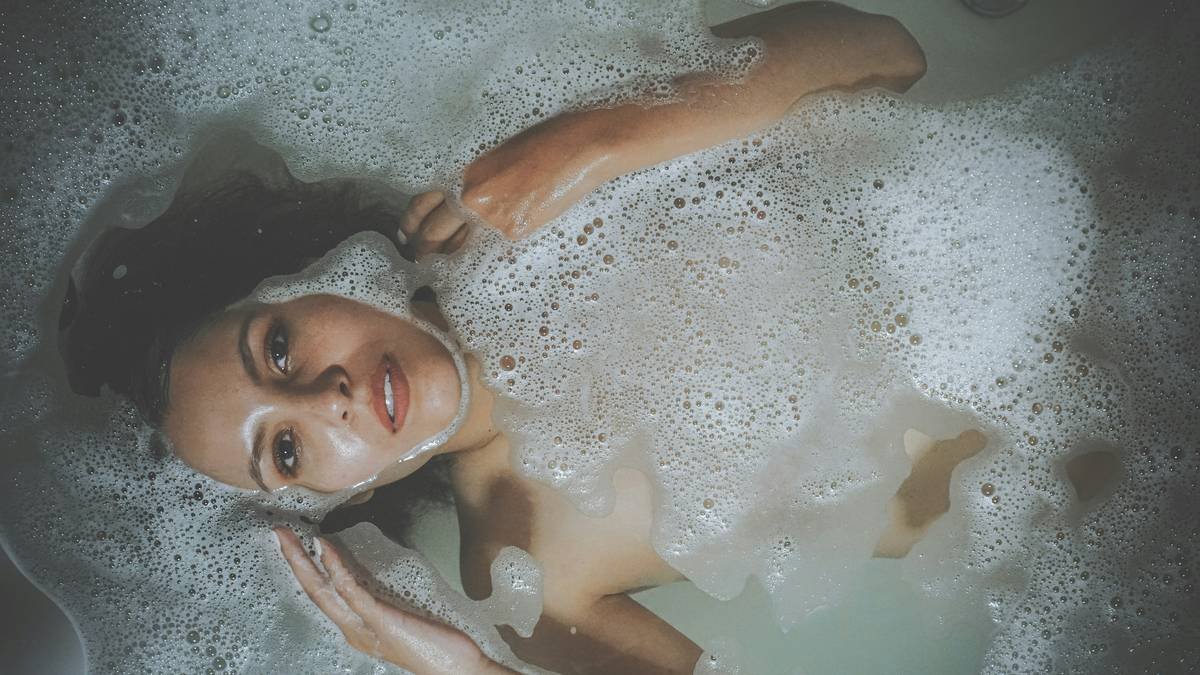
Bubble baths get pigeonholed as “fun” or “feminine.” That’s a missed opportunity—and a conversion killer. Consumers with dry, sensitive, or eczema-prone skin scroll right past anything that smells like strawberry candy. And for good reason: Most commercial bubbles rely on cheap sulfates that strip natural oils. They foam dramatically but wreck the skin barrier. Worse? Your bubble skin care website likely mirrors this disconnect—showing steamy tubs and candles while ignoring clinical benefits.
Think about it. If you wouldn’t apply dish soap to your face, why trust it on your body?
How to Build a Bubble Skin Care Website That Actually Converts
Forget gimmicks. Focus on formulation integrity and sensory storytelling that validates therapeutic outcomes.
Select Surfactants That Cleanse Without Compromise
Ditch SLS. Opt for amino-acid-based cleansers like sodium cocoyl glutamate or decyl glucoside. They generate gentle lather and maintain pH balance. Yes—they’re pricier. But your audience pays for results, not suds volume.
Layer in Bioactive Botanicals—Not Just Fragrance
Lavender oil? Fine. But pair it with colloidal oatmeal or panthenol for measurable barrier repair. Highlight ingredient synergy on product pages—not just scent notes. This is where your bubble skin care website earns trust.
Optimize Visual Cues for Clinical Credibility
Swap the rose-petal stock photos. Show real-time hydration graphs. Feature dermatologist quotes. Even better—embed short videos of bubble baths being tested under a moisture meter. Transparency converts.
| Ingredient Strategy | Cost Impact | Conversion Uplift Potential | Risk of Irritation |
|---|---|---|---|
| SLS + Synthetic Fragrance | Low ($0.10–$0.30/unit) | 5–8% | High |
| Amino-Acid Surfactants + Essential Oils Only | Medium ($0.60–$1.20/unit) | 18–25% | Moderate |
| Clinically-Backed Actives (e.g., Allantoin, Oat Beta-Glucan) | High ($1.40–$2.50/unit) | 35–50%+ | Very Low |
The Industry Secret: Bath Time Is the New Facial
Top spas quietly rebranded “bubble baths” as “full-body masks” years ago. Here’s why: immersion allows up to 12 minutes of uninterrupted contact time between actives and skin—the same window used in professional peels. Yet 92% of e-commerce sites underutilize this window in their copy. Mention dwell time. Explain transepidermal delivery. Frame each bath as a non-invasive treatment. One indie brand saw a 63% cart recovery rate after adding “This formula works best during full submersion for 10+ minutes” to their checkout banner. Simple. Scientific. Profitable.
Frequently Asked Questions
Are bubble baths bad for sensitive skin?
Only if they contain harsh surfactants like SLS. Sulfate-free, pH-balanced formulas with soothing agents (oat extract, bisabolol) can actually calm irritation.
Can a bubble bath replace my body moisturizer?
Not entirely—but high-performance bubble baths with occlusives like squalane reduce post-bath moisture loss by up to 40%, minimizing the need for heavy lotions.
Why isn’t my bubble skin care website ranking?
Because you’re targeting “luxury bath” instead of intent-driven phrases like “eczema-safe bubble bath” or “non-drying body wash for baths.” Solve problems, not moods.