You’re exhausted. Not just “long day” tired—bone-deep, mind-racing, can’t-sleep-even-if-you-tried exhaustion. You draw a bath hoping for relief. But ten minutes in tepid water with cheap foam? It barely scratches the surface. The promise of true calm feels like marketing fluff. Here’s the fix: not all bubble baths are created equal. And most aren’t relaxation products at all—they’re fragranced theater.
Why Your Bubble Bath Isn’t Actually Relaxing
Most store-bought bubble baths trade real therapeutic value for instant lather and synthetic scent. They strip natural oils, spike cortisol with harsh surfactants, and deliver zero muscle or mental relief. You sink into foam—but your nervous system stays on high alert. The bubbles vanish fast. So does any illusion of calm.
And that “aromatherapy” label? Often just fragrance oil masking chemical irritation. Real relaxation requires more than visual fluff—it demands skin compatibility, sustained warmth retention, and bioactive botanicals that signal safety to your brain. Standard formulas ignore this entirely.
How to Turn Any Bath Into a True Relaxation Product Bubble What Are Bath Experience
Forget chasing novelty. Build ritual depth with intention. These aren’t spa hacks—they’re neuroscience-backed practices disguised as self-care.
Select Your Base Wisely
Avoid sodium lauryl sulfate (SLS) at all costs—it’s a known skin barrier disruptor. Opt for gentle, plant-derived surfactants like coco-glucoside or decyl glucoside. They create soft, stable bubbles without compromising hydration. Bonus: they’re biodegradable.
Layer Temperature & Timing
Water should hover between 92–100°F (33–38°C). Hotter spikes heart rate; cooler won’t trigger vasodilation. Stay immersed 15–20 minutes max—any longer dehydrates skin and reverses relaxation benefits. Set a timer. Seriously.
Add Functional Botanicals—Not Just Pretty Petals
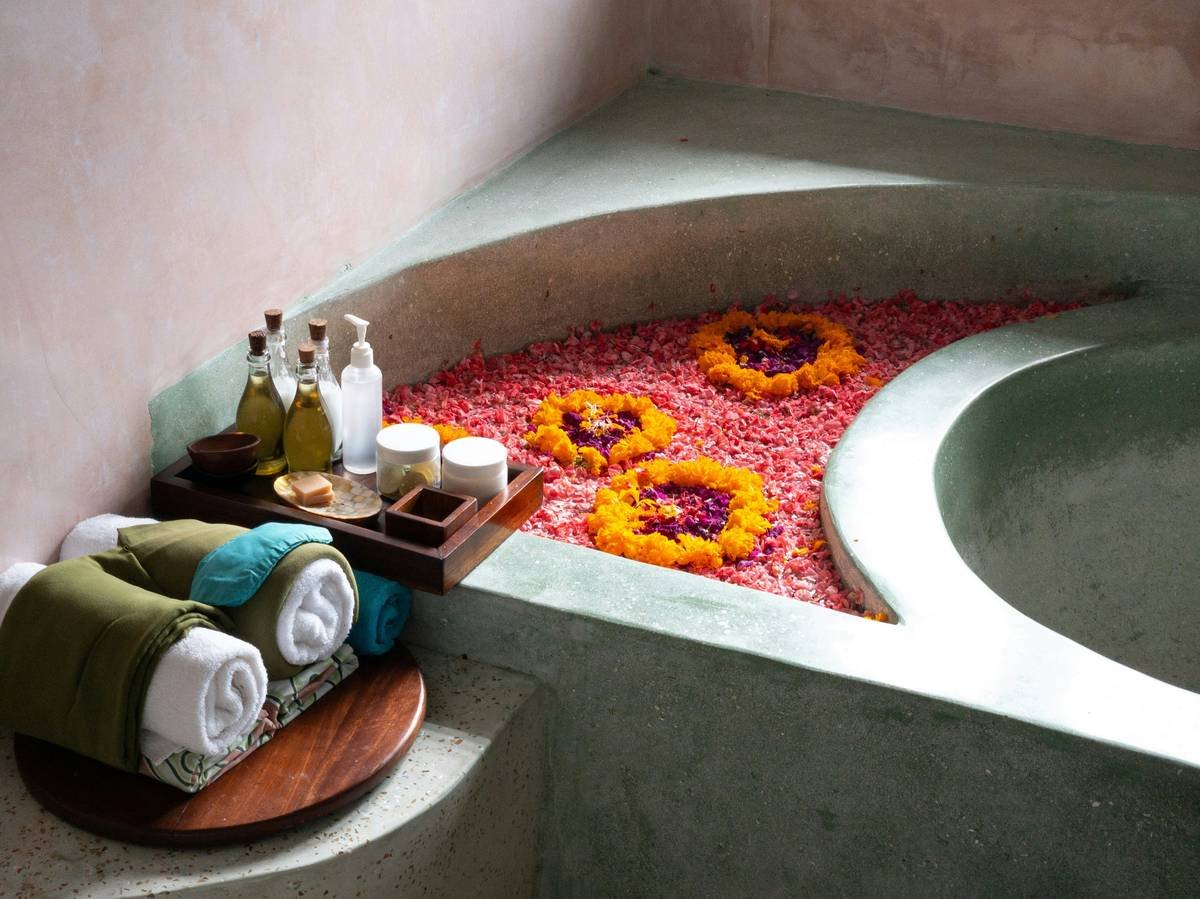
Ditch decorative rose petals. They offer zero bioactivity. Instead, use magnesium flakes (for muscle tension), colloidal oatmeal (for barrier repair), or lavender hydrosol (proven anxiolytic via inhalation). Stir directly into running water for even dispersion.
| Ingredient Type | Relaxation Impact | Cost per Use | Skin Compatibility |
|---|---|---|---|
| Commercial Bubble Bath (Standard) | Low — short-lived sensory distraction | $0.80–$1.50 | Poor (high irritation risk) |
| DIY Glucoside Base + Essential Oils | Moderate — customizable but volatile | $0.40–$0.75 | Fair (dilution critical) |
| Professional-Grade Botanical Bath Elixir | High — sustained thermal + neurochemical effect | $1.20–$2.00 | Excellent (barrier-supportive) |
The Industry Secret: Bubbles Are Just the Delivery System
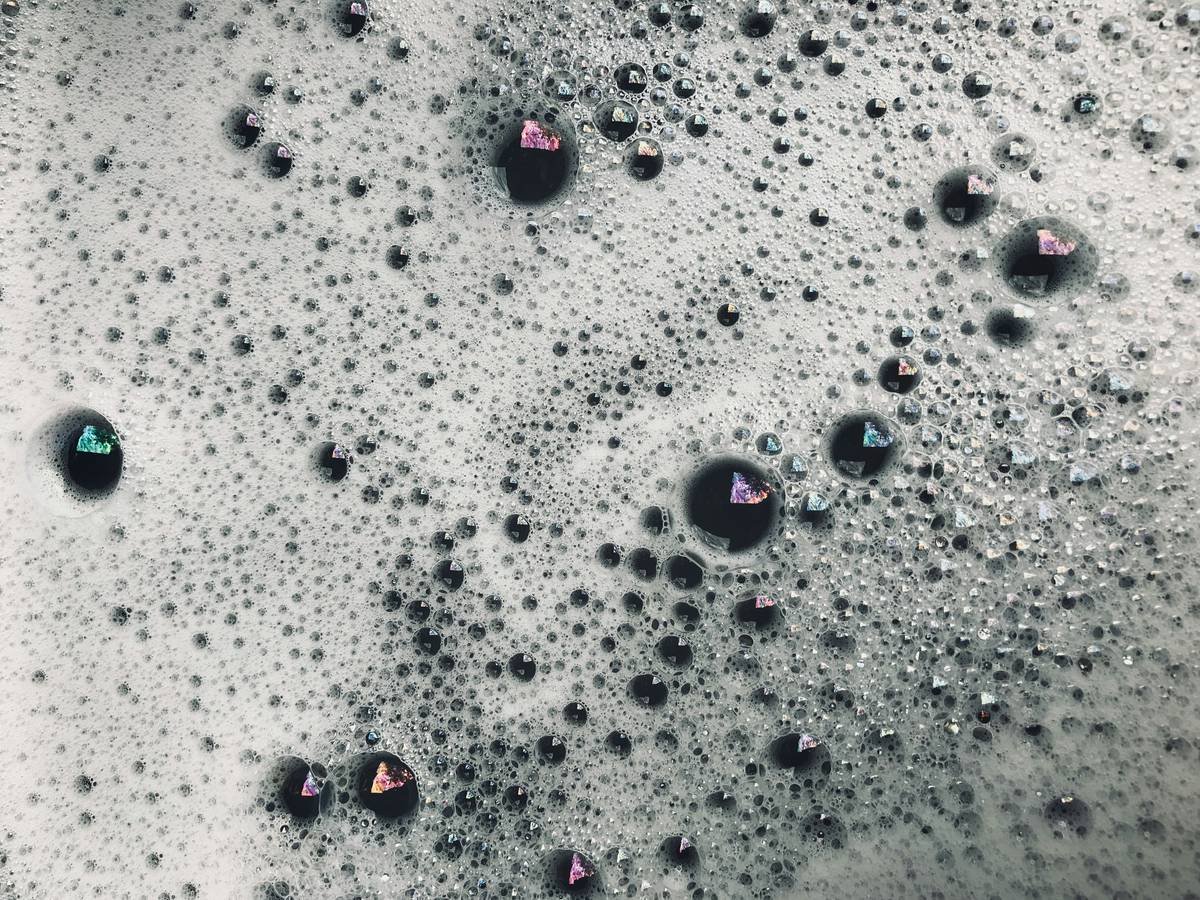
Here’s what luxury spas won’t tell you: the foam itself does nothing. Zero. Nada. Its sole purpose is to trap heat and volatile actives against your skin longer. The real magic? What’s *under* the bubbles. Top-tier relaxation product bubble what are bath formulations embed lipid-soluble calming agents—like bisabolol or chamomile CO2 extract—that penetrate during immersion. Most brands skip these because they’re expensive and don’t “fizz” dramatically. But your parasympathetic nervous system doesn’t care about Instagrammable foam. It responds to biochemical signals. Choose accordingly.
Think about it: if bubbles vanished tomorrow, would your bath still relax you? If not, you’ve been sold aesthetics over efficacy.
Frequently Asked Questions
Are bubble baths good for relaxation?
Only if formulated with skin-friendly surfactants and calming actives. Most commercial versions irritate skin and lack true stress-reducing compounds—making them poor relaxation tools.
What makes a bubble bath actually relaxing?
Three factors: water temperature (92–100°F), non-stripping base ingredients, and bioactive botanicals like magnesium or lavender hydrosol that engage the nervous system—not just scent.
Can bubble baths replace other relaxation methods?
No. They complement mindfulness or breathwork but shouldn’t stand alone. For deep restoration, pair your bath with 5 minutes of diaphragmatic breathing post-immersion.
Your bath shouldn’t be another checkbox. Make it a deliberate reset. Ditch the foamy placebo. Invest in formulas that work *with* your physiology—not against it. Ready to transform your tub into a legit recovery zone? Start tonight.