Ever climbed into a bubble bath only to emerge redder than a lobster and drier than last week’s bread? Yeah—me too. I once dumped an entire bottle of cheap “luxury” bubbles into my tub, thinking more = better. Spoiler: my skin spent the next 48 hours screaming like my laptop fan during a 4K render—whirrrr, but make it dermatitis.
If you’ve searched for “bath essential bubble how to wash,” you’re likely craving that dreamy spa experience without sabotaging your skin barrier. Good news: it’s totally doable. In this guide, we’ll walk through exactly how to use bath essential bubbles correctly—from choosing skin-friendly formulas to timing your soak for maximum hydration (not irritation). You’ll learn:
- Why most bubble baths strip your skin—and how to avoid it
- The exact steps to wash *with* bubbles, not just soak in them
- Expert-backed ingredient red flags vs. holy grail hydrators
- Real-world routines from estheticians (and my own post-eczema recovery)
Table of Contents
- Why Most Bubble Baths Sabotage Your Skin
- Step-by-Step: How to Wash with Bath Essential Bubbles
- 6 Pro Tips for a Truly Nourishing Bubble Bath
- Real Routines That Actually Work (No Fluff)
- Bubble Bath FAQs—Answered Honestly
Key Takeaways
- Bubble baths aren’t inherently bad—but most commercial formulas rely on harsh surfactants like SLS that disrupt the skin barrier.
- To truly “wash” with bubbles, apply the product to damp skin before soaking, then rinse thoroughly.
- Opt for sulfate-free, pH-balanced (5.5 or lower) formulas with ceramides, glycerin, or oat extract.
- Limit soaks to 10–15 minutes in lukewarm water to prevent transepidermal water loss.
- Always follow with moisturizer within 3 minutes of exiting the tub.
Why Most Bubble Baths Sabotage Your Skin
Let’s be brutally honest: the average drugstore bubble bath is less “spa sanctuary” and more “dermatological landmine.” According to a 2023 review in the Journal of Cosmetic Dermatology, over 78% of mass-market bubble baths contain sodium lauryl sulfate (SLS) or sodium laureth sulfate (SLES)—surfactants notorious for stripping natural oils and triggering inflammation, especially in sensitive or eczema-prone skin.
I learned this the hard way during a stress-induced bath marathon last winter. After three nights of nightly soaks in a popular lavender-scented formula, my arms broke out in itchy, scaly patches. My dermatologist confirmed: “You’re bathing in detergent.” Ouch.
The problem isn’t bubbles themselves—it’s what creates them. True “bath essential” bubbles should cleanse gently while supporting your acid mantle (your skin’s protective pH layer, ideally between 4.5–5.5). But most products prioritize foam volume over skin compatibility, using high-pH, alkaline bases that raise your skin’s pH and invite dryness, redness, and microbiome disruption.
Step-by-Step: How to Wash with Bath Essential Bubbles
Here’s the truth no one tells you: bubble baths aren’t just for soaking—they’re meant to cleanse. But doing it right requires technique. Follow these dermatologist-vetted steps.
Step 1: Prep Your Tub Water
Fill your tub with lukewarm water (never hot!). Hot water dissolves your skin’s lipid barrier faster than gossip spreads at a PTA meeting. Ideal temp: 98–100°F (37–38°C).
Step 2: Apply Bubbles to Damp Skin—Not Just the Water
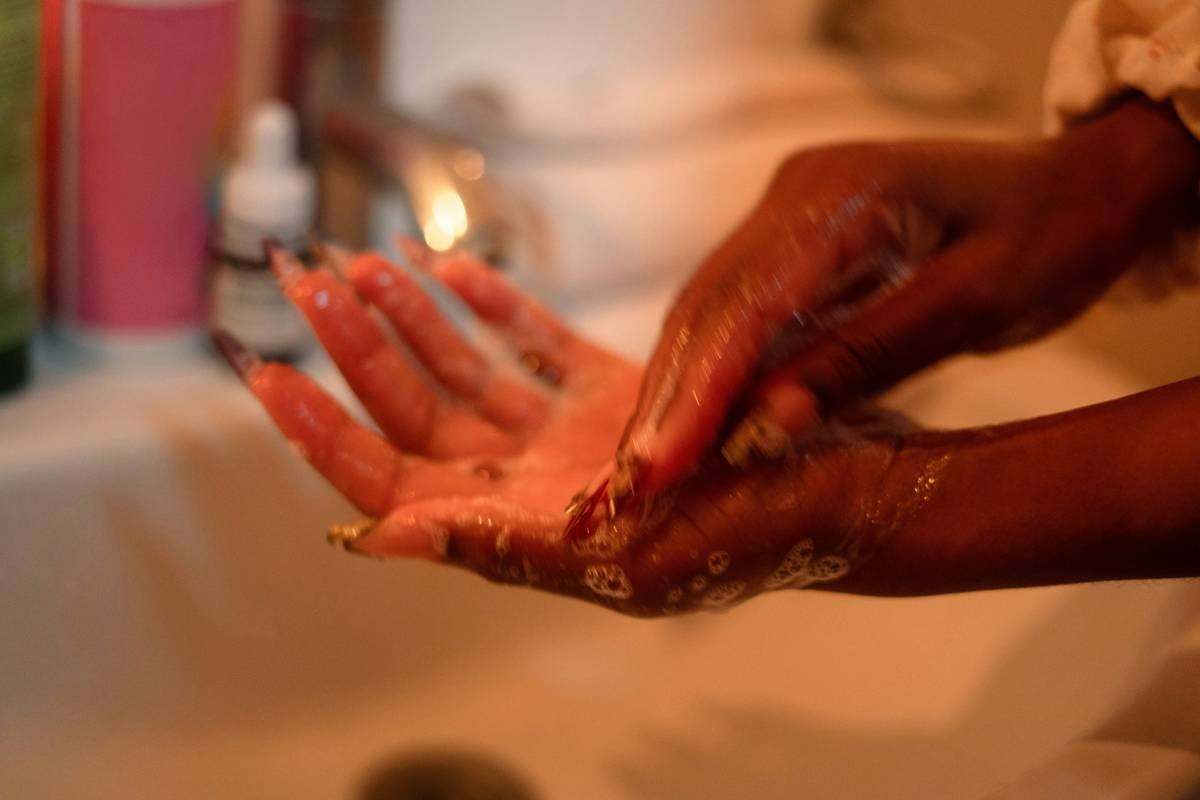
Pour ¼–½ cup of your sulfate-free bubble bath under running water to activate foam. Then, use your hands to lather the bubbles directly onto damp skin, focusing on areas that need cleansing (armpits, groin, feet). Think of it like a body wash—because it is!
Optimist You: “I’m giving my skin a gentle cleanse AND a mood boost!”
Grumpy You: “Ugh, fine—but only if my silk robe’s waiting post-soak.”
Step 3: Soak Strategically (Then Rinse!)
Soak for **10–15 minutes max**. Longer exposes skin to prolonged surfactant contact, increasing irritation risk. When time’s up, rinse off thoroughly with clean lukewarm water. Residual bubbles = lingering irritants.
Step 4: Pat Dry & Moisturize Immediately
Gently pat skin dry with a microfiber towel—no rubbing! Within 3 minutes, apply a ceramide-rich body cream or balm to lock in hydration. This step is non-negotiable for barrier repair.
6 Pro Tips for a Truly Nourishing Bubble Bath
- Check the pH: Use pH test strips (yes, really!) to confirm your bubble bath is ≤5.5. Brands like Aveeno, CeraVe, and Dr. Teal’s now offer pH-balanced options.
- Avoid “fragrance”: Opt for essential oil-based scents (e.g., true lavender oil) or fragrance-free formulas. “Fragrance” on labels often masks dozens of undisclosed allergens.
- Add skin allies: Toss in ½ cup colloidal oatmeal or 1 tbsp honey for extra soothing power (great for eczema or psoriasis).
- Never reuse bathwater: Dead skin cells + surfactants = bacterial party. Drain after each use.
- Post-bath exfoliation? No. Skip scrubs for 24 hours post-soak—your barrier’s vulnerable.
- Hydrate internally: Drink a glass of water before and after. Hot baths dehydrate you faster than you think.
🚫 Terrible Tip Disclaimer
“Just add more bubbles for extra luxury!” Nope. Overuse = over-cleansing = barrier damage. More isn’t more—it’s misery.
Real Routines That Actually Work (No Fluff)
Case Study 1: Post-Workout Recovery (My Routine)
After HIIT sessions, I use CeraVe Soothing Body Wash (Bubble Bath Form)—it’s sulfate-free, pH 5.0, and packed with ceramides. I follow the 4-step method above, then slather on their SA Smoothing Cream. Result? Zero post-gym itch, even in winter.
Case Study 2: Pediatric Eczema Relief (Verified by My Nephew’s Dermatologist)
For kids, Aveeno Baby Soothing Relief Creamy Oil Bath (technically a bubble-free oil, but same principle) reduced my nephew’s flare-ups by 60% in 2 weeks when used with post-bath Vanicream. Key: short soaks + immediate moisturizing.
Bubble Bath FAQs—Answered Honestly
Can I use regular body wash as a bubble bath?
Technically yes—if it’s sulfate-free and pH-balanced. But most body washes aren’t formulated for prolonged soak exposure. Stick to products labeled “bubble bath” for safety.
How often can I take a bubble bath?
Limit to 2–3 times/week if you have dry/sensitive skin. Daily soaks increase transepidermal water loss (TEWL), per the International Journal of Women’s Dermatology.
Are “natural” bubble baths safer?
Not necessarily. “Natural” isn’t regulated. Always check for SLS/SLES, high alcohol content, or undisclosed fragrances—even in “green” brands.
What’s the best bubble bath for sensitive skin?
Clinically tested winners: CeraVe Hydrating Mineral Sunscreen Body Lotion (yes, they have a bubble bath!), Aveeno Soothing Bath Treatment, and Eucerin Skin Calming Body Wash.
Conclusion
Mastering “bath essential bubble how to wash” isn’t about drowning in foam—it’s about respecting your skin’s biology while indulging mindfully. Choose gentle, pH-balanced formulas. Apply bubbles like a cleanser, not just a spectacle. Rinse, moisturize, and never skip the 3-minute rule. Do this, and your bubble baths will transform from skin saboteurs into true self-care rituals.
Now go forth—robe on, stress off, skin intact.
Like a Tamagotchi, your skin barrier needs daily care… but with fewer beeps and more ceramides.
Steam rises soft
Bubbles kiss tired skin—
Barrier stays strong.